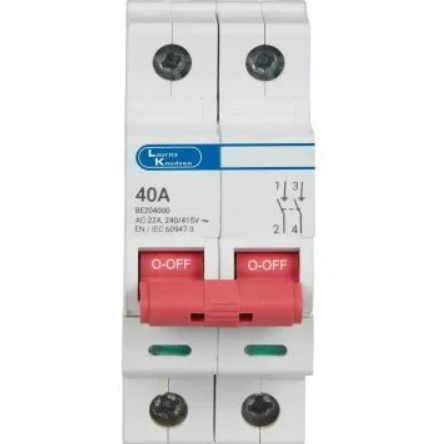

Power supply reliability is a fundamental requirement for any building, and in India, where grid power outages remain a reality across many regions, the ability to safely switch between grid power and a backup generator or inverter is a practical necessity. The changeover switch is the electrical device that makes this transition possible, safely and correctly. Understanding how changeover switches work, the different types available, and how to specify the right electric switch for your backup power application is important for homeowners, contractors, and facility managers alike.
What Is a Changeover Switch?
A changeover switch is an electrical switching device that transfers a load from one power source to another. In the most common application, it switches a building’s electrical installation between the utility grid supply and a diesel generator or inverter-based backup system. The fundamental safety requirement of a changeover switch is that it provides a break-before-make switching action, meaning it disconnects the building from the first power source before connecting it to the second. This prevents the generator from being connected to the live grid, which would create a dangerous parallel supply situation and could electrocute utility workers repairing grid faults.
Types of Changeover Switches
Changeover switches are essential devices used to transfer electrical load between two power sources, such as the main supply and a backup generator or inverter. They ensure continuity of power during outages and protect electrical systems from unsafe connections between sources.
Manual Changeover Switches
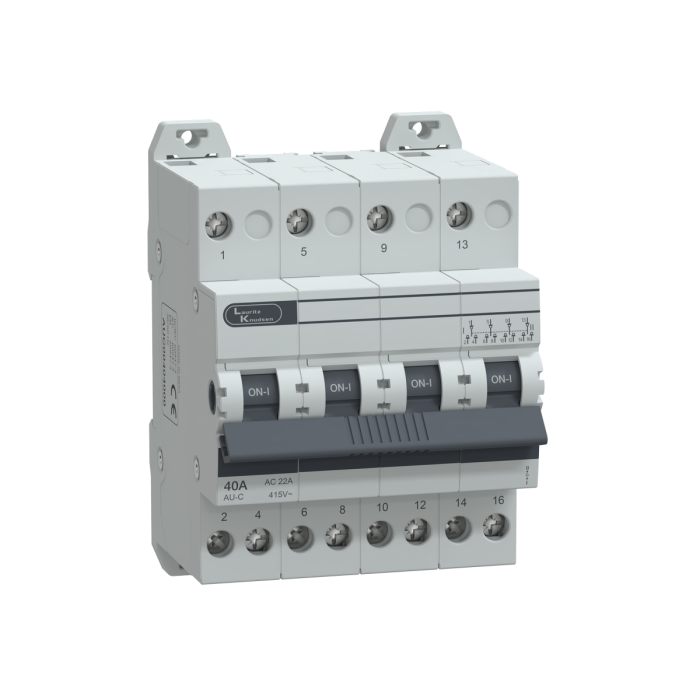
A manual changeover switch requires a person to physically operate the switch when a power source change is needed. The operator is responsible for turning off loads, operating the changeover switch to transfer to the backup supply, and starting the generator or confirming the inverter is active. C- Line Manual changeover switches are the most common type for residential applications and small commercial premises because of their simplicity, low cost, and high reliability. This design enhances operational safety by eliminating the risk of backfeeding, ensures clear isolation during maintenance, reduces electrical hazards, and provides a reliable switching sequence in both residential and industrial installations.
Automatic Transfer Switches (ATS)
An Automatic Transfer Switch monitors the utility supply continuously and automatically transfers the load to the backup generator when it detects a power failure. It also automatically retransfers back to the grid when the utility supply is restored and has been stable for a preset time. ATS systems are used in hospitals, data centres, critical manufacturing processes, and any facility where manual intervention during a power failure is impractical or unacceptable.
Three Position Changeover Switches
A three position changeover switch, sometimes called a break-before-make switch, has three positions: Source 1, Off, and Source 2. The central Off position ensures that both sources are disconnected simultaneously during the changeover action, providing a physical barrier between the two supplies. This is the preferred configuration for safety in most applications.
Key Specifications for Changeover Switches
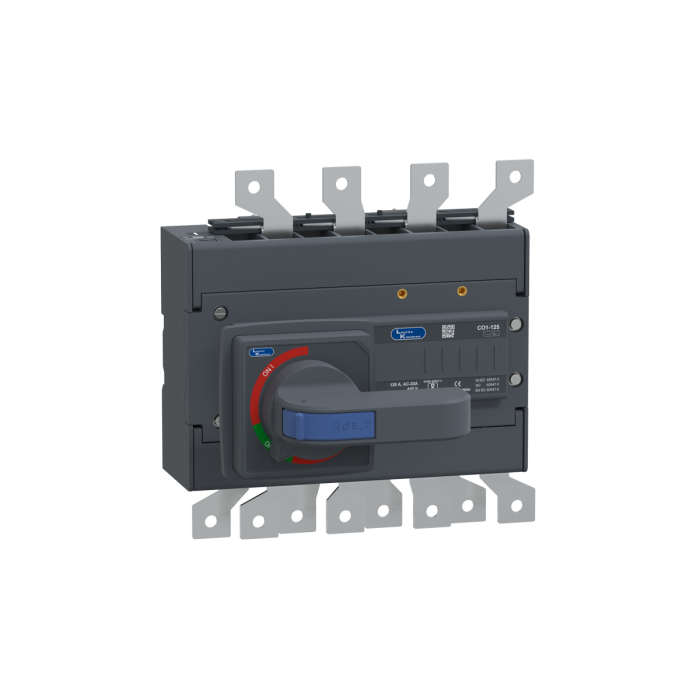
Selecting the right changeover switch requires careful attention to key technical specifications to ensure safety, reliability, and proper system performance. One of the most important factors is the current rating, which must match or exceed the maximum load demand. An undersized switch can overheat, leading to contact damage or failure.
The voltage rating is equally critical and should correspond to the system type, typically 230V for single-phase and 415V for three-phase installations. Using a switch with an incorrect voltage rating can compromise insulation and safety.
Another key consideration is the number of poles. Single-phase systems generally use 2-pole or 4-pole switches to isolate both live and neutral connections. In three-phase systems, a 4-pole changeover switch is required to safely switch all three phases along with the neutral.
The breaking capacity of the switch determines its ability to safely interrupt the load current during operation. It must be sufficient to handle real operating conditions without causing arcing or damage.
Mechanical interlocking is essential for preventing both power sources from being connected at the same time. This feature ensures safe operation and protects equipment from dangerous backfeeding conditions.
Correct Installation Practices
A changeover switch must be installed by a qualified electrician in accordance with the relevant electrical installation standard. The switch must be positioned after the utility energy meter and cutout fuse, in the incoming supply to the main distribution board. Clear labelling of Source 1 (Grid) and Source 2 (Generator or Inverter) positions, along with operating instructions posted near the switch, is considered best practice for ensuring that occupants use the device correctly during a power outage.
The generator or inverter connected through the changeover switch must also be protected separately, and the wiring between the generator and the changeover switch must be rated for the full load current it will carry.
Why Source Genuine Changeover Switches
A changeover switch is a safety-critical electric switch. It must reliably maintain its mechanical interlock under repeated use, and its contacts must handle the current demands of the connected load for years without failure. Substandard or counterfeit changeover switches are a documented safety hazard in the Indian market, with failures resulting in parallel supply situations, overheating, and fires.
Lauritz Knudsen Electrical & Automation’s SmartShop stocks changeover switches and electric switch products designed for reliable residential and commercial backup power applications. All products on Lauritz Knudsen SmartShop are genuine, correctly rated, and sourced from Lauritz Knudsen Electrical & Automation’s manufacturing portfolio, which has over 70 years of history in India’s electrical industry. With 24×7 online ordering, fast doorstep delivery, and bulk pricing for contractors, Lauritz Knudsen SmartShop is the trusted procurement source for all backup power switching requirements.
Conclusion
Changeover switches are an essential safety component in any building with a backup power system. Selecting the right type, specifying the correct current and voltage rating, ensuring mechanical interlocking, and sourcing a genuine, quality product are the foundations of a safe and reliable power changeover installation. Whether you need a simple manual changeover switch for a home inverter system or a fully rated three-phase unit for a commercial generator installation, Lauritz Knudsen Electrical & Automation’s SmartShop provides the right electric switch with the reliability and authenticity that safety-critical applications demand.