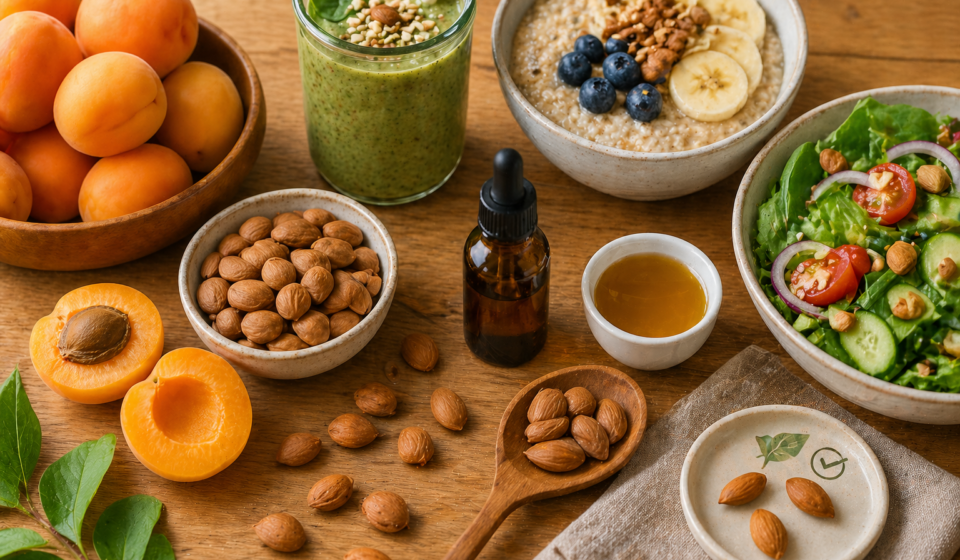

A healthy diet can be simple and natural. Small food choices can improve your daily routine. One such option is apricot kernels. These small seeds come from the apricot fruit.
They have a nutty taste and strong nutrients. Many people add them to meals for extra health benefits. When used the right way, they can support your body and add variety to your food.
This guide will help you understand how to use them, how much to take, and how to stay safe.
What Are Apricot Kernels?
Apricot kernels are found inside the hard pit of the fruit. You need to break the pit to get the seed. They look like small almonds. Some taste sweet, while others are bitter.
Bitter ones contain stronger natural compounds. These should be used in very small amounts. Sweet ones are milder and easier to eat.
Nutritional Value
These kernels contain useful nutrients. They can support your daily diet when used in small amounts. Some nutrients present in apricot kernels include:
- Healthy fats
- Plant-based protein
- Fiber
- Vitamins like B-complex
- Minerals such as magnesium and potassium
These nutrients help your body stay active. They may support digestion and skin health. But balance is very important.
Why Add Them to Your Diet?
Adding them to meals is easy. They do not need much preparation. They are quick to prepare, healthy, and filling at the same time.
Some simple reasons to use them:
- They add a crunchy texture
- They improve the taste of dishes
- They provide extra nutrients
- They fit into many recipes
You only need a small amount to get benefits.
Easy Ways to Use Them Daily
You do not need to change your whole diet. Just add them to foods you already eat.
1. Add to Smoothies
Smoothies are a quick and healthy option. You can blend kernels into them.
Simple smoothie:
- 1 banana
- 1 cup milk or plant milk
- 2 kernels
- A little honey
Blend until smooth. Drink fresh.
2. Mix with Breakfast
Breakfast is the best time to add healthy foods. Chop kernels into small pieces.
Add them to:
- Oatmeal
- Yogurt
- Fruit bowls
They add crunch and flavor.
3. Use in Baking
You can use them like nuts in baking.
Add them to:
- Muffins
- Cookies
- Bread
Chop them well before mixing. This spreads the taste evenly.
4. Make a Snack Mix
A quick snack can keep you full. Mix them with other foods.
Try this:
- Almonds
- Cashews
- Pumpkin seeds
- A few chopped kernels
Carry it with you for busy days.
5. Sprinkle on Salads
Salads can taste better with a little crunch. Crush a small amount and sprinkle on top. It balances sweet and sour flavors.
Simple Recipes You Can Try
Cooking at home can be easy and fun. These recipes take very little time.
1. Energy Balls
Ingredients:
- 1 cup dates
- 2 tablespoons chopped kernels
- ½ cup oats
- 1 spoon of honey
Steps:
- Blend everything together
- Roll into small balls
- Keep in the fridge for 30 minutes
Eat as a quick snack.
2. Nut Spread
Ingredients:
- 1 tablespoon kernels
- ½ cup roasted peanuts
- 1 teaspoon honey
Steps:
- Blend into a smooth paste
- Store in a jar
- Spread on toast
This is a healthy alternative to store-bought spreads.
3. Herbal Drink Mix
Ingredients:
- Warm milk
- 1 crushed kernel
- A pinch of cinnamon
Steps:
- Mix all ingredients
- Stir well
- Drink warm
It works well at night.
How Much Should You Eat?
This is the most important part. Eating too much can be harmful.
Safe intake:
- Adults: 1 to 2 kernels per day
- Beginners: Start with 1 kernel
- Children: Avoid unless advised by a doctor
Always start small. Watch how your body reacts.
Safety Tips You Must Follow
These kernels are natural but strong. You must use them carefully.
- Do not eat large amounts
- Avoid bitter kernels in excess
- Do not eat them on an empty stomach
- Drink water after eating
- Choose clean and tested products
Some kernels contain compounds that may release toxins in high amounts. This is why moderation is key.
Who Should Avoid Them?
Some people should not use them without advice.
- Pregnant women
- Breastfeeding mothers
- Young children
- People with health issues
- Those on medication
If you are unsure, ask a doctor before use.
Best Time to Eat
Timing can help your body use nutrients better.
- Eat with meals, not alone
- Morning or afternoon is better
- Avoid eating late at night
Pairing them with other foods helps digestion.
Tips for Buying Quality Kernels
Good quality makes a big difference. When buying:
- Choose trusted sellers
- Look for fresh and clean kernels
- Avoid strong or strange smells
- Check packaging date
Fresh products are safer and taste better.
Storage Tips
Proper storage keeps them fresh. Have a look at some of the storage tips:
- Use an airtight container
- Keep in a cool and dry place
- Avoid heat and sunlight
- Do not store for too long
Fresh kernels give better results.
Common Mistakes to Avoid
Many people make simple mistakes.
- Eating too many at once
- Ignoring safe limits
- Buying low-quality products
- Thinking more is better
Keep your intake small and steady.
Can You Combine Them with Other Foods?
Yes, they work well with many healthy foods. You can pair them with:
- Nuts
- Seeds
- Fruits
- Dairy products
This improves taste and balance.
Benefits of a Balanced Approach
Using small amounts daily can help your routine. Here are some of the benefits of a balanced approach. Have a look at them:
- Supports better eating habits
- Add variety to meals
- Helps you stay mindful of portions
- Helps you stay mindful of portions
Balance is always more important than quantity.
Final Thoughts
A healthy lifestyle is built on simple habits. Small food choices can lead to big results over time. Adding kernels to your diet can be useful when done with care. Focus on quality, small portions, and regular use.
Pairing them with natural foods can make meals more enjoyable. You can mix them with fruits, snacks, and even desserts. A balanced approach always works best.
You can also combine them with dried figs for a tasty and nutritious option. When used in the right way and sourced from trusted providers like Malatya Apricot, they can become a safe and valuable part of your daily diet.