
Introduce
In a highly competitive industry like apparel, your brand’s fabric quality can make or break your brand. The difficulty for many designers and manufacturers is to source fabrics of high quality, which consistently meet production requirements. For vibrant colors and durable textiles as well as smooth production workflows, it is crucial to select the right supplier.
This article delves into the worlds of yarn dyed fabric. You will learn about how to find trusted suppliers as well as the benefits, mistakes to avoid and insider advice from industry experts. By the end of this article, you will be able to make informed sourcing choices that elevate your clothing line and satisfy clients.
What is yarn dyed fabric?
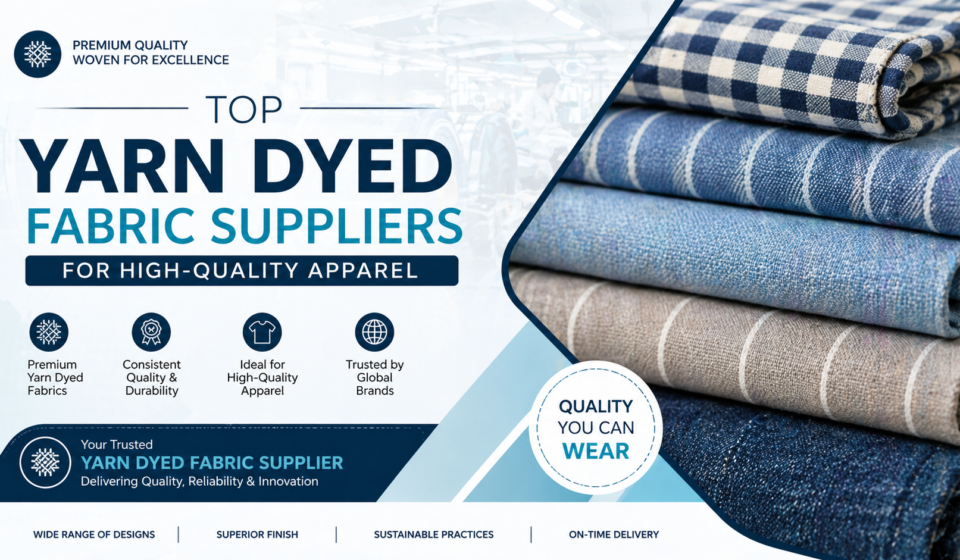
Yarn Dyed Fabrics are textiles in which the yarns have been colored before being woven or knitted. The yarn-dyed fabric is a more vibrant and colorful alternative to the piece-dyed fabric, which dyes the cloth after it has been finished.
Yarn Dyed Fabric Features:
- Durable colors: Resistant even to fading after multiple washings.
- Vibrant Patterns Plaids, Checks, and Stripes remain crisp.
- Textural variations: Yarn-dying adds depth and richness.
Yarn Dyed Fabrics Examples:
- Twill fabrics for shirts
- Checkered cotton casual clothing
- Premium denim variations
Why should you choose a reliable supplier of yarn-dyed fabric?
The right supplier will ensure that it is produced with the highest quality and consistency. A reliable fabric supplier can ensure:
- Color Consistency: Eliminates variations that can ruin production lots.
- Deliveries on time to meet production schedules:
- Wide range of products: Access different textures, blends, and patterns.
- Conformity with Standards: Textiles meet environmental safety and standards.
A trusted supplier is essential for manufacturers. Without one, they risk delays, fabric flaws, and unhappy customers.
What is the best place to buy yarn-dyed fabric?
To source high-quality fabrics with yarn dyes, you need to take a strategic approach. These steps will streamline the process.
Step 1: Identify your fabric requirements
- Determine material composition (cotton, polyester blends, silk).
- Decide on the weight, texture and color patterns.
- Consider volume of production as well as scalability.
Step 2: Find potential suppliers
- Look up trade platforms and industry directories.
- View client testimonials and supplier portfolios.
- Search for certificates (ISO OEKOTEX, GOTS).
Step 3: Request Samples
- Test the color vibrancy of and its durability .
- Test shrinkage , softness , and tensile force .
- Compare against your design specifications.
Step 4: Negotiate the Terms
- Discuss prices, minimum order quantity, and lead time.
- Clarify return policy and defect resolution.
- Develop a partner with a long-term view to guarantee dependable supply.
Step 5: Verify your manufacturing capabilities
- Check that the supplier can manage bulk purchases with no compromise on quality.
- Confirm ethical behavior as well as environmental compliance.
Avoid these common mistakes
- Selecting the cheapest supplier, without checking on quality.
- Shipping and lead times reliability are ignored.
- Neglecting compliance with safety or environmental standards.
- Requesting physical samples before bulk purchases is not recommended.
The Benefits of Yarn Dye Fabrics for Apparel
Yarn-dyed fabrics have multiple advantages, and a reliable yarn dyed fabric supplier can help improve garment quality and enhance brand reputation.
1. Long-Lasting Colors
- Yarn dyed fabrics retain their color for a longer period of time than piece dyed fabrics.
2. Unique Patterns
- Perfect for checks, plaids, and stripes.
- Add a premium feel and look in apparel lines.
3. Superior Texture
- Yarn-dyed fabrics often have a better handfeel .
- Ideal for High-end shirts and dresses.
4. Strength and Durability
- Yarn dyeing strengthens yarn fibers.
- Wear and tear is not a problem for garments even when they are used frequently.
5. Eco-Friendly Products
- Many suppliers are now using low-impact colors and sustainable processes.
Expert Tips to Select Suppliers
- Verify references: Contact previous customers to ask about their satisfaction.
- Visit manufacturing facilities (if possible). Evaluate production processes and capabilities.
- Ask About Customization: Ensure suppliers can accommodate unique designs or special blends.
- Leverage technology: Platforms, such as Fibre2Fashion and Alibaba, and tradeshows, help to discover vetted vendors.
Pro Tip : Always create an alternate supplier list, to prevent production delays in times of shortages.
| Supplier | Product range | MOQ | Lead Time | Pros | The Cons of Using |
| Supplier A | Cotton, polyester, silk | 500m | Two to three weeks | Wide variety, consistent quality | A little higher cost |
| Supplier B | Cotton Blends | 300m | Two weeks is a reasonable amount of time. | Fast delivery, good support | Limited editions |
| Supplier C | Organic/Yarn Dye | 1000m | Three-four week period | Eco-friendly, premium quality | The minimum order quantity is high |
External Authority References Suggestions Link to TextileWorld or Fibre2Fashion to establish credibility.
Applications in Real-World Examples
Fashion industry: Designers depend on yarn-dyed fabrics for shirts, dresses and casual wear.
Uniform manufacturing: School uniforms and corporate clothing often require durable colors that are consistent with the fabric.
Premium Apparel Brands who produce men’s high-end apparel prefer yarn-dyed fabrics for their texture and elegance.
Case Ex: After switching to a trusted supplier of yarn-dyed fabric a mid-size clothing company saw a 25 percent reduction in fabric return rates as a result of color inconsistencies.
FAQs
1. What is the difference between yarn dyed and piece dyed fabrics?
Yarn dyed fabrics are colored before weaving, resulting in long-lasting, vibrant patterns, while piece-dyed fabrics are dyed after weaving, which can fade faster.
2. How do I verify the quality of a yarn dyed fabric supplier?
Request samples, check certifications, review client references, and test for durability and colorfastness.
3. What minimum order quantities should I expect?
MOQ varies by supplier; small suppliers may offer 300–500 meters, while larger manufacturers require 1,000+ meters.
4. Can yarn dyed fabrics be eco-friendly?
Yes, many suppliers use low-impact dyes and sustainable fibers to reduce environmental impact.
5. Are yarn dyed fabrics suitable for all types of apparel?
They are ideal for shirts, dresses, uniforms, and high-end garments but may not be suitable for heavily stretchy fabrics like leggings.
6. How long does it take for suppliers to deliver bulk orders?
Typically 2–4 weeks depending on quantity, complexity, and supplier location.
7. How can I ensure consistent colors in large orders?
Work with suppliers offering color matching services and always request pre-production samples.
Conclusion
Selecting the right fabric supplier for your apparel brand is an important decision. Effective products sourcing ensures fabrics of high-quality, which enhance your designs, help reduce production errors, and please customers.
Remember:
- Define fabric requirements clearly
- Search for multiple suppliers
- Samples can be requested and tested for durability
- Consider eco-friendly options
- List of alternate suppliers
Following these strategies can help you find Yarn dyed fabric supplier for your apparel line that will elevate it and make your brand a leader in the industry.
Call to action: You are ready to upgrade the fabric you source? Get in touch with trusted suppliers of yarn dyed fabrics today, to ensure your next collection has the perfect balance of quality, colour, and durability.