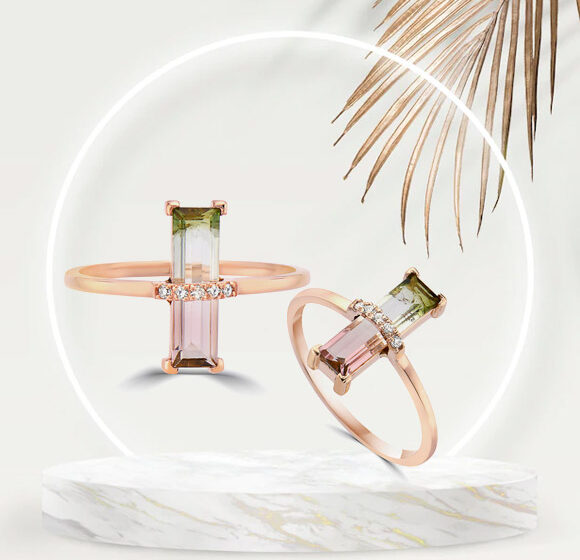

For jewelry retailers in the United States, selecting the right gold purity is an important business decision. The choice between 14K and 18K gold impacts product durability, customer preference, pricing strategy, and long-term profitability. Retailers sourcing jewelry collections must balance quality, affordability, and consumer demand—especially in competitive markets like New York and across the U.S.
Understanding the difference between these two gold purities helps retailers build collections that sell consistently while maintaining strong margins. This guide explains the key differences between 14K and 18K gold and how retailers can choose the right option when working with Wholesale 14k Gold Jewelry Suppliers.
Understanding Gold Purity in Jewelry
Gold purity is measured in karats (K), which represent the percentage of pure gold in the alloy. Pure gold is 24K, meaning it contains 99.9% gold. However, pure gold is extremely soft and not suitable for everyday jewelry.
To improve durability and strength, gold is mixed with other metals such as silver, copper, or zinc. This process creates alloys used in jewelry manufacturing.
14K Gold Composition
14K gold contains approximately 58.5% pure gold, while the remaining percentage consists of strengthening metals. Because of this balance, 14K gold is known for durability and long-term wear.
Retailers often work with experienced 14k Gold Jewelry Manufacturers to ensure the right alloy composition, finishing quality, and design precision. The durability of 14K gold makes it ideal for frequently worn jewelry like rings, necklaces, and bracelets.
18K Gold Composition
18K gold contains about 75% pure gold. The higher gold content gives the metal a richer yellow color and a more luxurious appearance. However, this purity level also makes the jewelry softer and more prone to scratches compared to 14K gold.
For high-end or occasional wear jewelry, some retailers may offer 18K options, but for everyday collections, many stores prefer the balance provided by 14K gold.
Why 14K Gold Is Popular in the U.S. Jewelry Market
Across the U.S., 14K gold remains one of the most widely sold options in jewelry retail. There are several reasons why retailers consistently choose this purity level.
Better Durability for Daily Wear
Consumers often wear jewelry every day—especially engagement rings, necklaces, and pendants. Because 14K gold is stronger than 18K gold, it withstands daily wear better.
Retailers who stock Wholesale Gold Necklace collections frequently choose 14K gold because it provides durability while maintaining a premium look.
More Affordable Pricing
Another reason for the popularity of 14K gold is cost efficiency. With a lower percentage of pure gold, the material cost is lower compared to 18K gold. This allows retailers to offer competitive pricing while maintaining healthy profit margins.
Strong Consumer Demand
U.S. consumers value jewelry that balances luxury with practicality. Many buyers prefer 14K gold because it offers durability, aesthetic appeal, and a reasonable price point.
Retailers working with reliable Wholesale 14k Gold Jewelry Suppliers can maintain consistent inventory and meet ongoing consumer demand.
Visual and Quality Differences Between 14K and 18K Gold
While both types of gold are used in fine jewelry, there are noticeable differences that retailers should understand.
Color Appearance
18K gold typically has a deeper, richer yellow color due to its higher gold content. 14K gold has a slightly lighter tone, which many customers still find equally attractive.
For certain jewelry styles—such as modern or minimalist designs—the subtle color difference may not significantly impact purchasing decisions.
Scratch Resistance
14K gold is more resistant to scratches and bending than 18K gold. This makes it ideal for items worn frequently, including rings and bracelets.
Retailers selling Wholesale Gold Pendants often prioritize durability because pendants are worn daily and must maintain their appearance over time.
Longevity
Because of its strength, 14K gold jewelry tends to maintain its structure longer under regular use. Customers who prioritize longevity often prefer 14K pieces.
How Gold Purity Impacts Retail Pricing Strategy
For jewelry retailers, gold purity directly affects pricing models, inventory management, and profit margins.
Product Pricing
18K gold jewelry typically costs more due to its higher gold content. Retailers must position these pieces as premium or luxury items.
On the other hand, 14K gold allows retailers to offer fine jewelry at accessible price points while still maintaining quality.
Inventory Planning
Retailers often build their core inventory around durable, high-demand pieces. This is why many stores prioritize 14K gold jewelry collections.
Products like rings, necklaces, and pendants are often sourced from reliable Wholesale Diamond Jewelry suppliers who specialize in durable gold settings.
Customer Segmentation
Retailers may choose to offer both purities to cater to different customer groups:
- 14K gold for everyday jewelry buyers
- 18K gold for luxury or special occasion purchases
This approach allows retailers to serve multiple price segments within their store.
Choosing the Right Jewelry Supplier
Selecting the right manufacturing partner is just as important as choosing the gold purity. Retailers should work with suppliers who understand market trends, quality control, and efficient production.
Manufacturing Expertise
Experienced suppliers combine craftsmanship with modern technology, ensuring consistent quality across jewelry collections.
Customization and Private Label Support
Retailers increasingly seek suppliers who offer design customization and private labeling. This allows stores to build unique collections that differentiate them from competitors.
Reliable Production and Scalability
A dependable supplier should support both small and large orders, allowing retailers to scale inventory as their business grows.
Companies like Alankar Jewels specialize in supporting retailers with manufacturing expertise, customization options, and scalable wholesale supply.
Why Retailers Often Choose 14K Gold Collections
In today’s competitive retail environment, retailers must balance quality, pricing, and consumer preferences. 14K gold consistently meets these requirements.
Retailers choose 14K gold because it offers:
- Strong durability for daily wear
- Competitive pricing for broader customer appeal
- Long-lasting designs suitable for modern lifestyles
- Versatility across multiple jewelry categories
By partnering with trusted manufacturers, retailers can build collections that combine durability, design excellence, and consistent supply.
Conclusion
The decision between 14K and 18K gold ultimately depends on a retailer’s target market, pricing strategy, and product positioning. While 18K gold offers higher purity and a richer color, 14K gold remains the preferred choice for many U.S. retailers due to its durability and affordability.
For retailers looking to build strong, profitable collections, sourcing from reliable Wholesale 14k Gold Jewelry Suppliers ensures consistent quality and dependable inventory.
Working with experienced manufacturers also allows retailers to expand their collections, introduce new designs, and meet evolving customer demand—while maintaining the craftsmanship and reliability that customers expect from fine jewelry.